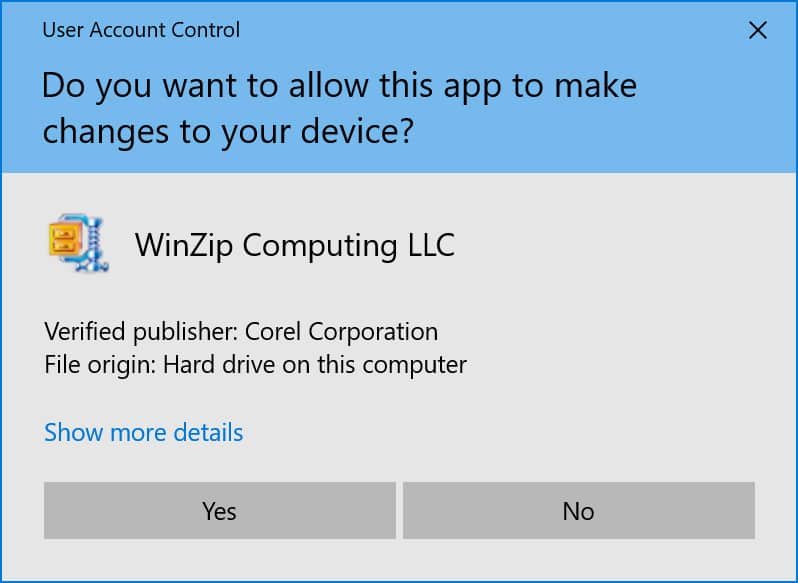
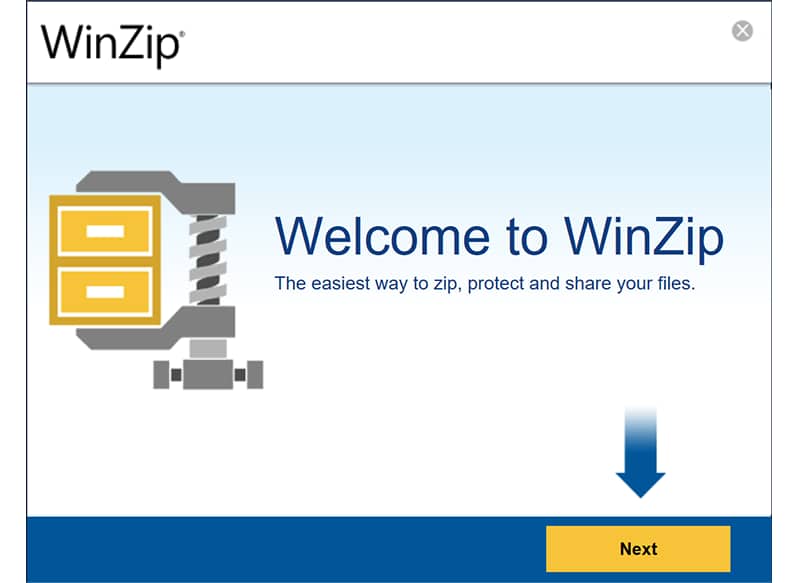
WinZip Activation and Registration codes are used to install your WinZip software. If you purchase your software directly from WinZip, you receive a WinZip Registration Code. If you buy WinZip from an authorized reseller, you receive a WinZip Activation Code. Customers that purchase a multi-user license, are given a WinZip Registration File. Check the descriptions below for information on how to install your software based on the WinZip code or file you received after purchase.
Did you purchase WinZip through an authorized reseller? If so, you have a WinZip Activation Code. You can use this code only once to get your WinZip Registration Code by following these steps:
Did you purchase a single-user license directly from WinZip Computing? Then you already have a WinZip Registration Code. Follow these steps to register using this WinZip key:
If your current ad scripts are slowing down your site or yielding low returns, implement these optimization strategies to capture higher bids. 1. Implement Asynchronous Loading
Often used in open-source or commercial standalone ad network scripts (like legacy Revive Adserver architectures) because of its broad compatibility with budget hosting and relational databases. Database: MySQL, Redis, and ClickHouse
Every millisecond an ad takes to load decreases user experience and publishers' viewability scores. Implementing Content Delivery Networks (CDNs) to cache ad creatives closer to geographic users, optimizing database indexing, and scaling servers load-balancers are vital steps to sustaining infrastructure performance. Buying vs. Building a CPM Network Script
// Define the ad container element const adContainer = document.querySelector('#cpm-ad-slot'); // Options to check if at least 50% of the ad is visible const options = root: null, threshold: 0.5 ; // Callback function when visibility conditions are met const logImpression = (entries, observer) => entries.forEach(entry => if (entry.isIntersecting) // Trigger the CPM tracking pixel fetch('https://your-ad-server.com', method: 'POST', mode: 'no-cors' ) .then(() => console.log('Valid impression recorded.'); // Disconnect observer to avoid double-counting the same load observer.unobserve(entry.target); ); ); ; // Initialize the observer const observer = new IntersectionObserver(logImpression, options); observer.observe(adContainer); Use code with caution. Optimizing CPM Script Performance script cpm
In the world of digital marketing, CPM stands for (Latin for "thousand"). It is a pricing model where advertisers pay a fixed rate for every 1,000 impressions their ad receives.
Automatically rotates ads to keep content fresh and prevent "banner blindness."
: The ad network runs a rapid internal auction among advertisers targeting that specific audience segment. If your current ad scripts are slowing down
Good for small to medium publishers wanting automated CPM insights without a heavy analytics dashboard. But if you need granular reporting or multi-network aggregation, you might need to customize the script further.
The script gathers all the CPM bids returned by these partners within a set timeframe (e.g., 800 milliseconds).
One of the biggest advantages of using a dedicated CPM script is automation. Running an ad network manually is impossible at scale. A professional script manages the entire lifecycle of an ad campaign. It allows advertisers to register, upload their creatives, and set their budgets. Simultaneously, it provides publishers with a simple snippet of code—often called an "ad tag"—to place on their sites. Once live, the script automatically calculates earnings, manages the rotation of ads to prevent "banner blindness," and generates detailed reports for all parties involved. Database: MySQL, Redis, and ClickHouse Every millisecond an
So, why is Script CPM such a powerful tool for advertisers? For starters, it offers unparalleled flexibility and control over ad campaigns. By using scripts to automate ad generation, marketers can quickly adjust their targeting, ad creative, and bidding strategies to optimize performance. This flexibility is particularly valuable in today's fast-paced digital landscape, where market trends and consumer behaviors can shift rapidly.
To calculate CPM in a script (like Google Sheets), the logic is: CPM = (Total Cost / Total Impressions) * 1,000 .