
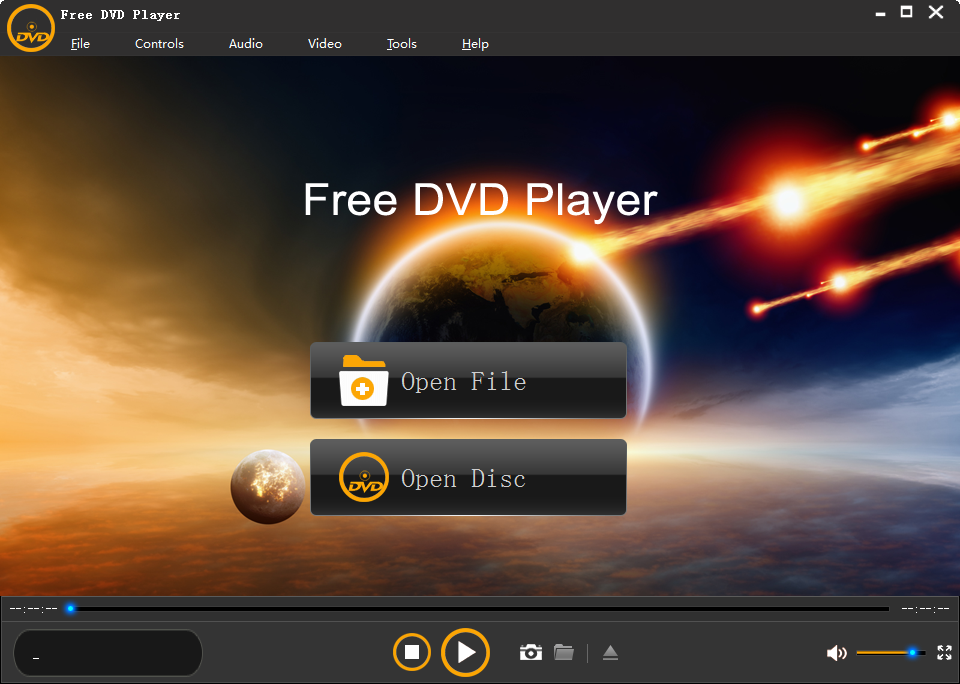
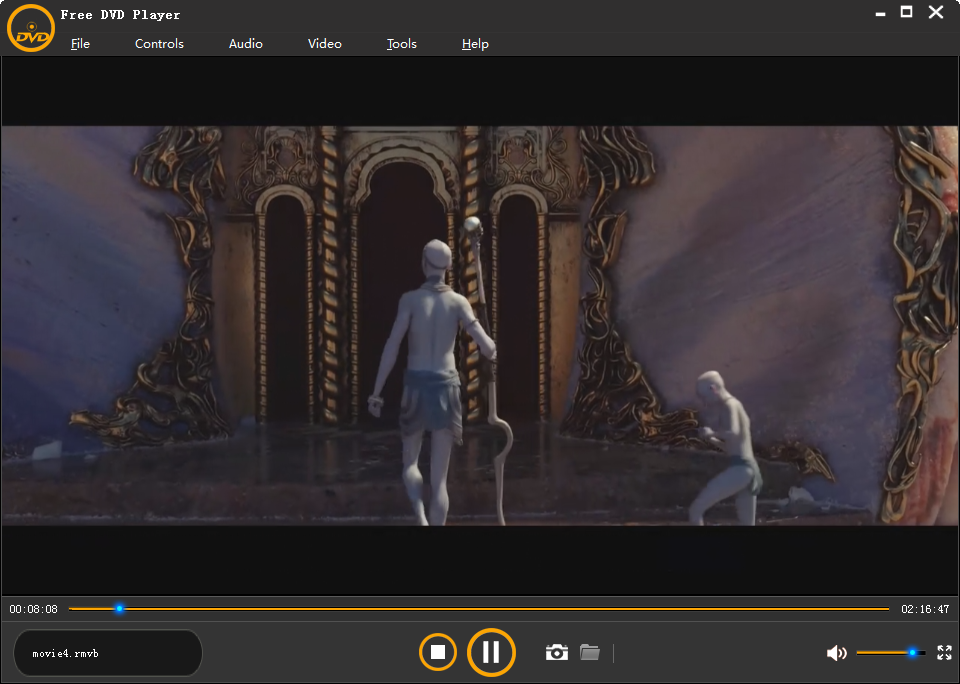
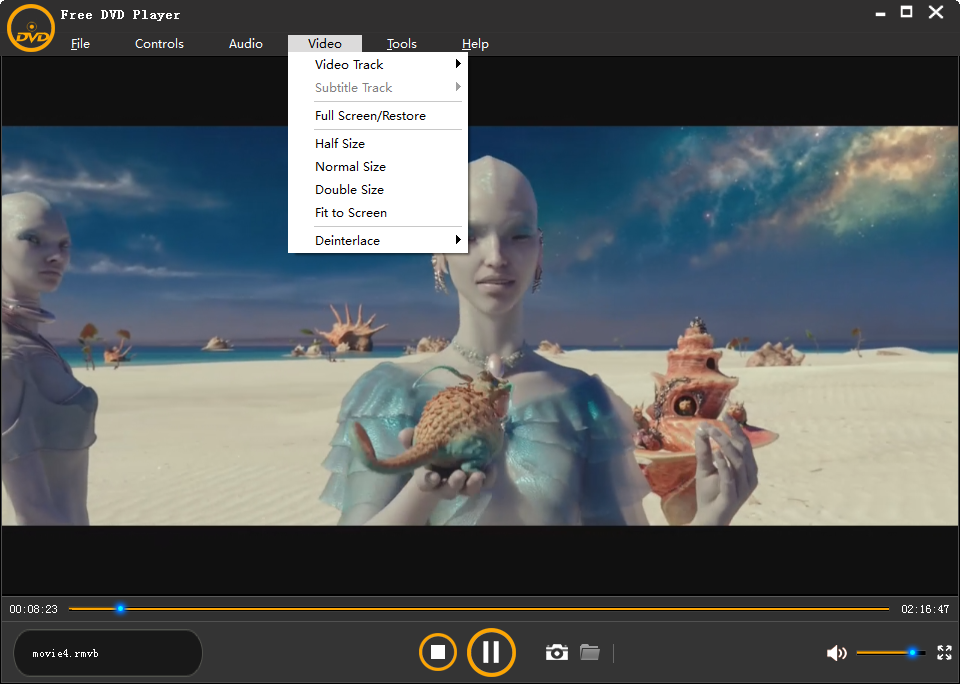
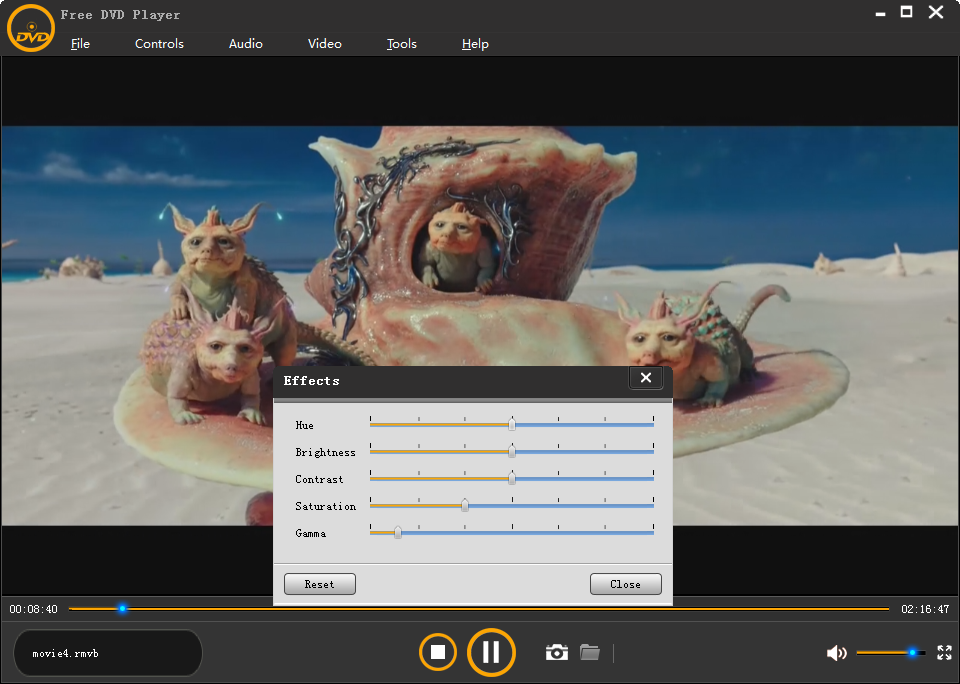
Play all videos, audio files, DVDs on Windows XP/Vista7/8/10.
 1
1
1
1
In other words, "I" is not a thing. It is a verb disguised as a noun. "I" is the process of experiencing. It is the flashlight beam, not the wall it illuminates.
Philosophers have grappled with the concept of the self for millennia. From Descartes’ famous "Cogito, ergo sum" (I think, therefore I am) to modern neuroscientific debates about the "illusion" of the self, the keyword "I" remains at the center of our quest to understand existence. It is the vantage point from which all other knowledge is gathered. Writing with "I"
Let us start with a strange fact of English orthography. English is the only major language that consistently capitalizes its first-person singular pronoun. In French, it is je (lowercase unless starting a sentence). In Spanish, yo . In German, ich . In Italian, io . All of these are typically lowercase.
This is not mere mysticism. In neurotheology, studies of advanced meditators and psychedelic subjects show that the default mode network (DMN)—a set of brain regions associated with self-referential thought, narrative identity, and the "I"—can be temporarily suppressed. Subjects report ego dissolution: the boundaries between self and world collapse. The word "I" becomes meaningless or absurd. Yet they return to ordinary consciousness, still able to say "I had an experience of no-self." The paradox remains. In other words, "I" is not a thing
But this is a misunderstanding. Without "I," there is no responsibility. "A mistake was made" is a coward's sentence. "I made a mistake" is an act of courage. The word "I" is the only linguistic tool that allows for genuine accountability.
The historical lineage of "I" traces back through the following linguistic stages:
In the vast landscape of language, no single word carries more weight, more mystery, and more profound implication than the humble pronoun "I." It is the shortest complete sentence in the English language. It is the grammatical anchor of selfhood. And yet, for all its simplicity—a single vertical stroke, a solitary vowel—"I" remains the most contested, examined, and paradoxical word in human communication. This article embarks on a deep exploration of "I": its linguistic roots, its psychological significance, its philosophical quandaries, and its cultural variations. By the end, you may never write or speak this tiny word the same way again. It is the flashlight beam, not the wall it illuminates
: Using "I" can signal a healthy process of introspection, allowing individuals to take ownership of their feelings and actions.
: We often curate our "I" to fit an idealized version of ourselves.
: Conversely, an over-reliance on "I" in certain contexts can be a marker of high emotional distress or self-focus. It is the vantage point from which all
Modern cognitive science complicates matters further. The feeling of a unified "I"—the "Cartesian theater" where everything comes together—appears to be a useful narrative fiction. The brain processes vision, sound, memory, and planning in parallel, distributed networks. There is no single "I" neuron or region. Instead, the "I" is a process : the brain's constant storytelling, stitching together disparate experiences into a coherent protagonist. As neuroscientist Michael Gazzaniga put it, "The interpreter creates a unified story about our past, present, and future—a story that we experience as the 'I'."
: Online anonymity allows people to adopt multiple digital personae. An individual can operate under different identities across various forums, fundamentally altering how the first-person perspective interacts with community spaces.
: If you receive one, experts recommend staying professional, asking for clarification if needed, and providing a written response if you disagree with the account. 2. Descriptive Review or Article
René Descartes famously declared, "Cogito, ergo sum" — "I think, therefore I am." In that single sentence, Descartes made "I" the foundation of all knowledge. You can doubt your senses. You can doubt the external world. You can doubt mathematics. But you cannot doubt the existence of the "I" that is doing the doubting.
, which include faith, prayer, charity, fasting, and pilgrimage. 3. Form I-9 (Employment Eligibility)
User reviews
Reviewed on 2017-12-25 20:18:01

Hannah - I love this program the easiest program to use ever.
Reviewed on 2017-12-24 21:13:46

Katherine - I can easily operate this free DVD player.
You may also like
Recover Messages, Contacts, Call History, WhatsApp, Document data, Photos, APP Photos, Videos, Audios, and WhatsApp Attachments from Android quickly.

Recover data lost due to deletion, format, raw , virus attack, system crash etc on all types of external hard drive of different hard drive brands.

Recover Data or Files from Raw Hard Drive, Raw Partition, Raw SD Memory Card, Raw HDD, Raw USB Flash Drive Only in Three Steps on Your Own Easily.

Recover deleted photos, images, picture files from Memory card, flash drive, PC hard drive, digital camera. Recover your lost photos in the fastest way.
Copyright © 2011- ShiningSoft. ALL RIGHTS RESERVED.
About ShiningSoft | Terms & Conditions | Privacy Policy | License Agreement | Contact Us | Freeware Download Trial Center | Resources | YouTube | PAD Submission