San Mao Tagalog Dub Hot -
FREE DOWNLOAD







Rapid-fire exercises based on memorable hit songs help you master the language, whatever your motivation, getting to know the culture along the way
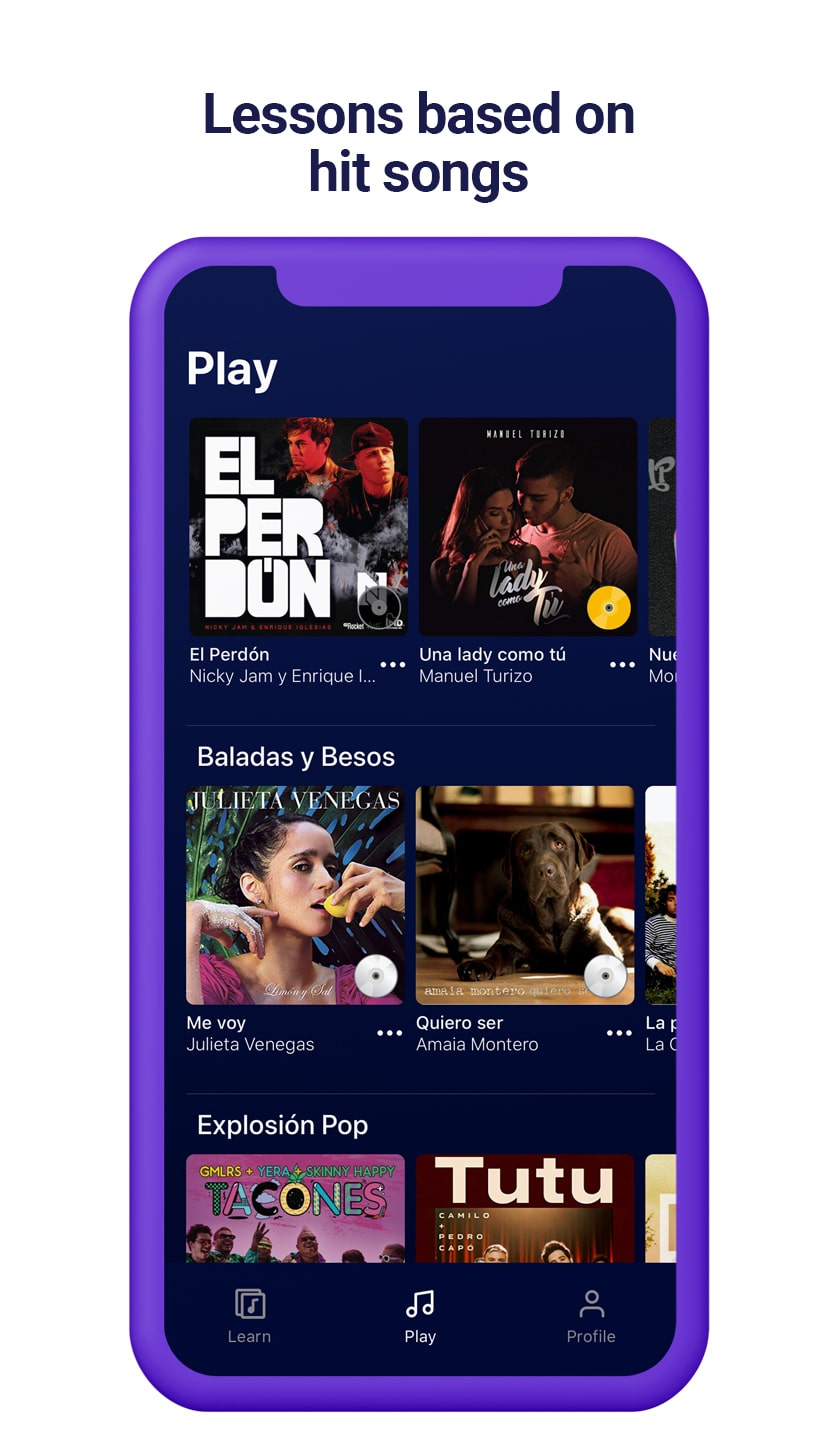


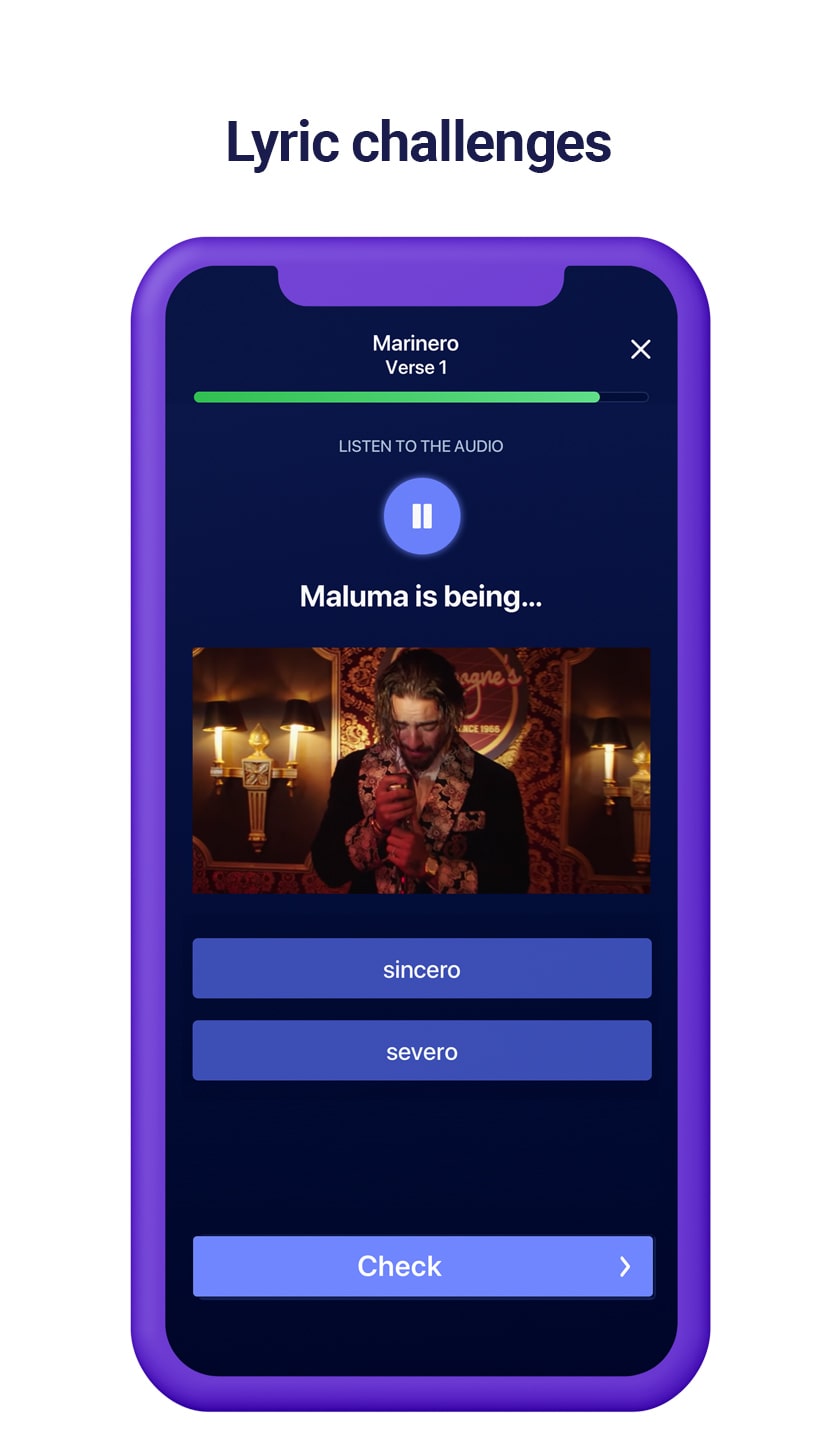
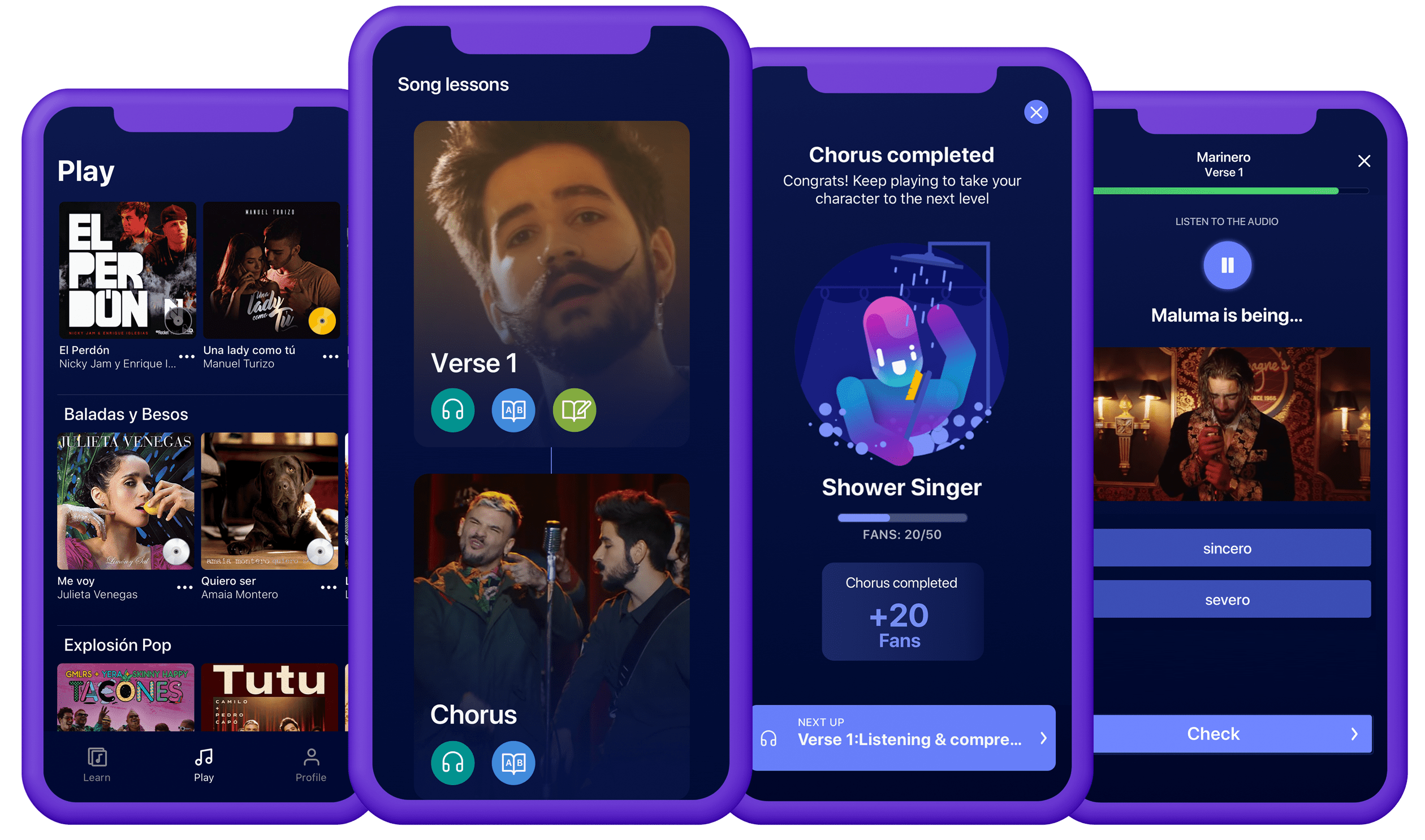
You’ll find latin icons like Enrique Iglesias and English-language superstars like P!nk in the Lirica repertoire, amongst many others - whatever your level or taste, we’ve got you covered








Editors often alter their voices to sound like a chaotic child or an angry, fast-talking adult.
But why is the Tagalog dub of San Mao now considered "hot"? The term likely reflects a combination of nostalgia and rarity. For Filipinos who grew up watching the show, hearing San Mao speak in Tagalog brings back fond memories of simpler times. Moreover, as with many local dubs from the early 2000s, the original broadcast versions are not readily available on streaming platforms or home video releases. This scarcity has turned the search for the Tagalog-dubbed episodes into a passionate hunt among collectors and casual viewers alike.
The transformation of this historical drama into a "hot" internet trend stems from the Filipino digital subculture of fandubbing (fan-made dubbing). Why the Videos Went Viral san mao tagalog dub hot
The trend also highlights the deep cultural connection between the Philippines and its neighbors. The themes of resilience ( tatag ) and family (or the lack thereof) in San Mao resonate deeply with the Filipino spirit. The show does not romanticize poverty; it depicts the harsh reality of the era, yet it remains heartwarming.
Tagalog dub, primarily remembered from its airing on networks like Editors often alter their voices to sound like
In animation communities, "hot" can colloquially refer to intense scenes—such as San Mao getting into dangerous situations, dramatic street fights, or high-stakes emotional breakthroughs—edited with modern background music to appeal to short-form video consumers. The Modern Resurgence of Classic Dubs
Even though the show was produced to honor a 70th-anniversary milestone of the comic strip, the themes are timeless. The Tagalog-dubbed San Mao taught young Filipino viewers to: To find hope even when times are tough. For Filipinos who grew up watching the show,
"Sanmao" literally translates to "Three Hairs," representing the character's severe malnutrition and extreme poverty.
: Community-led archive projects dedicated to preserving local television history often host documentation, cast lists, and episode guides.

App Of The day
Apple Appstore 2020

Hidden Gem
Google Best apps 2018

Midemlab Winner
2018