
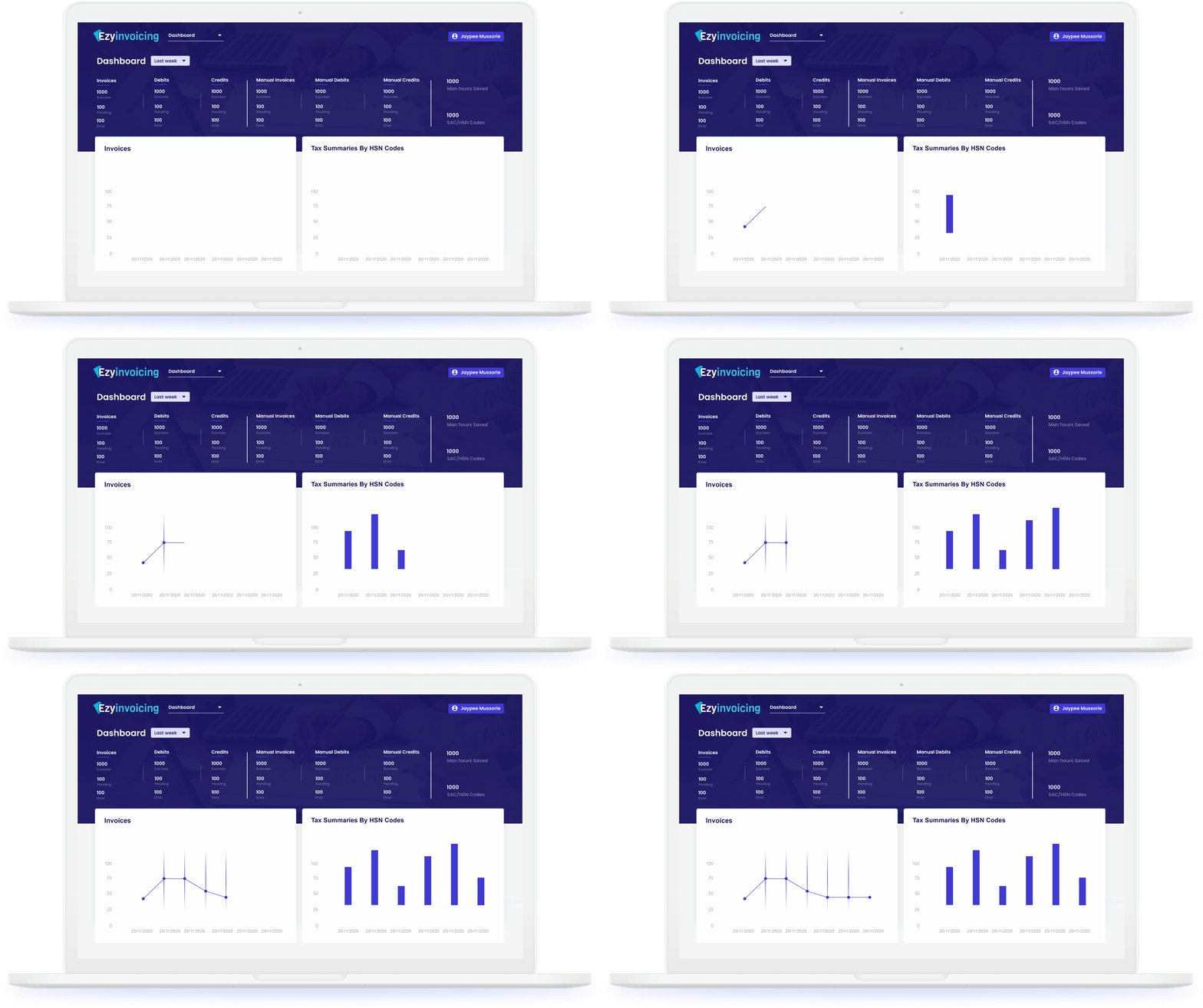

Generates invoices directly through any PMS/POS system without modifying existing processes

Supports robust error handling mechanism to ensure you generate
e-invoices without any
worries

Available both on cloud or on-premise deployment models as per client's convenience

One-click reconciliation of e-Invoice data with GSTR-1 data to take care of your compliance needs

Ability to configure custom templates as per your business need to print
e-Invoices in a
single click




Equipped with an SSL encryption for all on cloud deployments & also offer 2F Authentication mechanisms

24x7 in-house technical support and advisory services, dedicated key account manager and priority access to NIC

Affordable price, high-end product and great value. No other hidden charges

Allows integrations with multiple third party systems/partners to leverage the best out of its friendly RESTFUL API architecture

Best-in-class tech first company with deepest domain expertise in hospitality

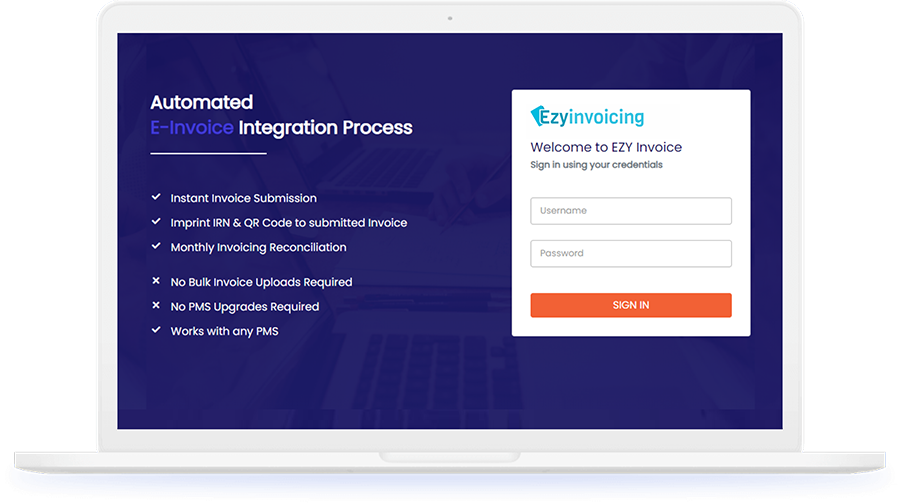
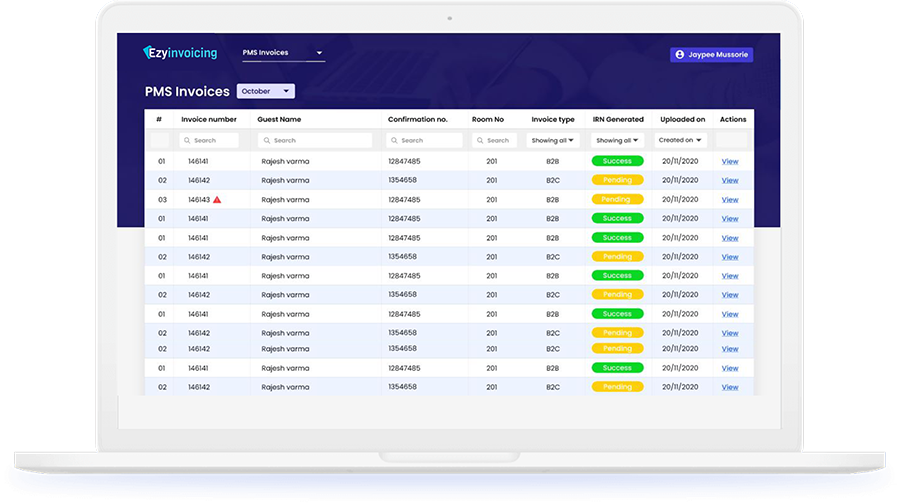
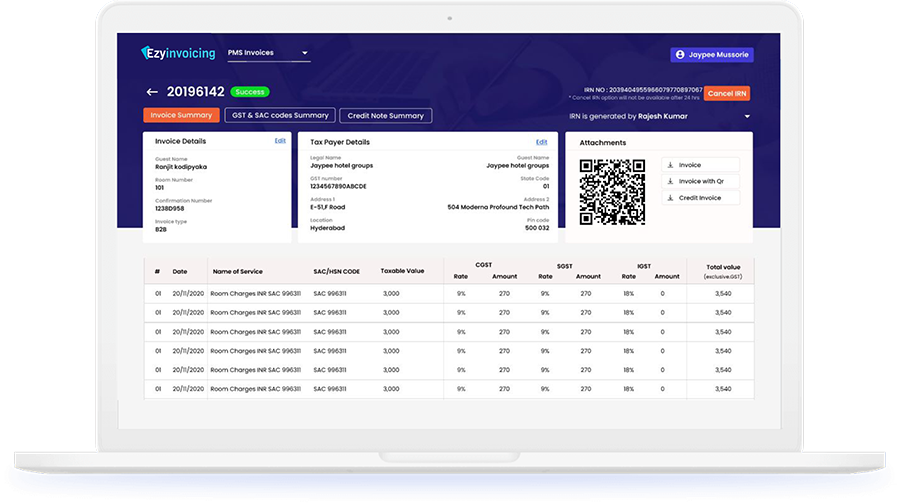
While Unity encourages upgrading to the newest Hub, 2.4.5 remains "better" for specific user types:
It uses a robust, legacy activation protocol that respects environment variables ( HTTP_PROXY , HTTPS_PROXY ) and does not rely on modern OAuth quirks. If you manage a studio of 50 developers, 2.4.5 reduces IT tickets to zero.
While earlier versions of Unity Hub served their purpose as simple version managers, they were plagued by performance lags, missing collaboration features, and a disjointed user experience. Unity Hub 2.4.5 represents a philosophical shift: treating the Hub not as an afterthought, but as the first-class development environment it should be. By delivering superior speed, intelligent project templating, deep asset integration, and team-focused diagnostics, version 2.4.5 is unequivocally better. For any developer or studio serious about efficiency, upgrading to Unity Hub 2.4.5 is not just an option—it is the smartest move you can make before writing a single line of code.
One of the primary reasons users reverted to or stayed on 2.4.5 was licensing reliability. According to Unity discussions (2022) , many users experienced issues activating personal licenses in newer versions. The release addressed several of these activation and login bugs, making it a "go-to" solution when newer versions struggled to verify licenses. 2. Improved LTS Badge Management
In the year 2147, the fractured remnants of humanity lived in floating sky-silos, each faction hoarding a single resource: water, fuel, or data. They hadn't spoken in generations—until the Unity Hub 245 activated. unity hub 245 better
In this article, we will explore exactly why has become the go-to search query for serious developers, breaking down the performance metrics, UI tweaks, and hidden features that set this version apart.
Here is a deep dive into the features and fixes that make Hub 2.4.5 the recommended standard for studios and solo devs.
For developers who suffered through the crashes and UI stutters of earlier 2.4.x iterations, Hub 2.4.5 represents a "return to form." Below is a feature breakdown covering why this specific version matters and how it improves the day-to-day workflow for Unity creators.
If you are looking to download older versions of the Hub, you can find them in the Unity Hub Release Notes . While Unity encourages upgrading to the newest Hub, 2
: Unlike the forced dark theme and more complex layout of newer versions, 2.4.5 features the traditional, clean light interface that some developers find easier to navigate.
When managing your game development environment, upgrading to the newest software version is not always the best path forward. For a significant portion of game developers, solo creators, and studios managing older projects,
Metrics to track success
In summary, offers a "better" experience for users who value speed, efficiency, and stability. With its significantly faster CLI, lower resource usage, and rock-solid reliability, it remains a fantastic choice for professional developers and teams managing complex, multi-project workflows. Unity Hub 2
Fewer issues with license activation/deactivation.
: Identifies "Ghost Assets"—packages or high-res textures imported but never used in any scene—helping users reclaim the massive disk space often wasted by default templates. One-Click "Safe Mode" Launch
While version 2.4.5 was reliable for its time, Unity Hub 3.x (and newer iterations) was rebuilt from the ground up to address the needs of modern game development. Here is where the newer versions win. 1. Superior Project Management and Tagging
You can block update checks by editing the hub-settings.json file:
While Unity encourages upgrading to the newest Hub, 2.4.5 remains "better" for specific user types:
It uses a robust, legacy activation protocol that respects environment variables ( HTTP_PROXY , HTTPS_PROXY ) and does not rely on modern OAuth quirks. If you manage a studio of 50 developers, 2.4.5 reduces IT tickets to zero.
While earlier versions of Unity Hub served their purpose as simple version managers, they were plagued by performance lags, missing collaboration features, and a disjointed user experience. Unity Hub 2.4.5 represents a philosophical shift: treating the Hub not as an afterthought, but as the first-class development environment it should be. By delivering superior speed, intelligent project templating, deep asset integration, and team-focused diagnostics, version 2.4.5 is unequivocally better. For any developer or studio serious about efficiency, upgrading to Unity Hub 2.4.5 is not just an option—it is the smartest move you can make before writing a single line of code.
One of the primary reasons users reverted to or stayed on 2.4.5 was licensing reliability. According to Unity discussions (2022) , many users experienced issues activating personal licenses in newer versions. The release addressed several of these activation and login bugs, making it a "go-to" solution when newer versions struggled to verify licenses. 2. Improved LTS Badge Management
In the year 2147, the fractured remnants of humanity lived in floating sky-silos, each faction hoarding a single resource: water, fuel, or data. They hadn't spoken in generations—until the Unity Hub 245 activated.
In this article, we will explore exactly why has become the go-to search query for serious developers, breaking down the performance metrics, UI tweaks, and hidden features that set this version apart.
Here is a deep dive into the features and fixes that make Hub 2.4.5 the recommended standard for studios and solo devs.
For developers who suffered through the crashes and UI stutters of earlier 2.4.x iterations, Hub 2.4.5 represents a "return to form." Below is a feature breakdown covering why this specific version matters and how it improves the day-to-day workflow for Unity creators.
If you are looking to download older versions of the Hub, you can find them in the Unity Hub Release Notes .
: Unlike the forced dark theme and more complex layout of newer versions, 2.4.5 features the traditional, clean light interface that some developers find easier to navigate.
When managing your game development environment, upgrading to the newest software version is not always the best path forward. For a significant portion of game developers, solo creators, and studios managing older projects,
Metrics to track success
In summary, offers a "better" experience for users who value speed, efficiency, and stability. With its significantly faster CLI, lower resource usage, and rock-solid reliability, it remains a fantastic choice for professional developers and teams managing complex, multi-project workflows.
Fewer issues with license activation/deactivation.
: Identifies "Ghost Assets"—packages or high-res textures imported but never used in any scene—helping users reclaim the massive disk space often wasted by default templates. One-Click "Safe Mode" Launch
While version 2.4.5 was reliable for its time, Unity Hub 3.x (and newer iterations) was rebuilt from the ground up to address the needs of modern game development. Here is where the newer versions win. 1. Superior Project Management and Tagging
You can block update checks by editing the hub-settings.json file: