Nokia Xpress Jar Browser For 240x320 _hot_

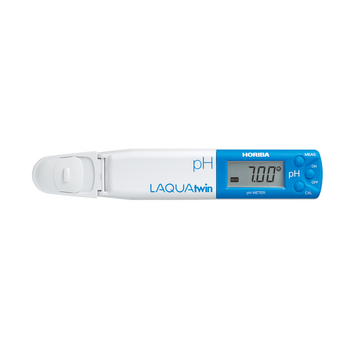
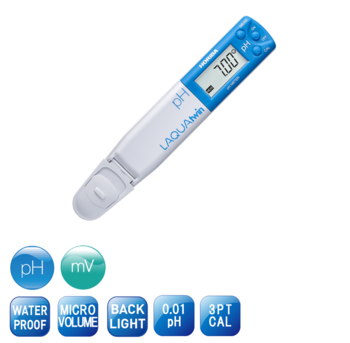
The rice used for sushi must be acidified with acetic acid (vinegar) to pH less than 4.6 to inhibit the growth of pathogenic bacteria. To measure pH, simply place a sample of rice mixture onto the flat sensor of LAQUAtwin pH meter.
 

nokia xpress jar browser for 240x320

nokia xpress jar browser for 240x320

Nokia Xpress Jar Browser For 240x320 _hot_

The Nokia Xpress Browser for 240x320 devices represents a triumph of software engineering over hardware limitations. By leveraging cloud computing (server-side rendering) before the term was mainstream in mobile contexts, Nokia successfully brought the World Wide Web to the masses. While the rise of affordable Android smartphones eventually rendered the Java ME ecosystem obsolete, the legacy of the Xpress Browser persists in modern "Lite" apps and data-saving modes found in contemporary mobile operating systems. It stands as a testament to the importance of optimization in bridging the digital divide.

This public link is valid for 7 days and shares a thread, including any personal information you added. This link or copies made by others cannot be deleted. If you share with third parties, their policies apply. Can’t copy the link right now. Try again later.

One of the standout features of the Nokia Xpress browser was its ability to compress web pages, reducing data usage and making it easier to browse on slower networks. This was particularly useful for users like my friend, who lived in a rural area with limited internet connectivity.

user wants a long article about the "Nokia Xpress JAR browser for 240x320". This likely refers to the Nokia Xpress Browser, which was available as a Java (JAR) application for feature phones with 240x320 resolution (QVGA). I need to provide a comprehensive article covering history, features, download, installation, usage, and legacy. I will search for relevant information. search results include some potentially useful pages, such as a Wikipedia page (likely archived), a Baidu Baike page, and other websites. I will open these to gather detailed information. have gathered information from various sources. The Wikipedia page and the Baidu Baike entry provide general information. The PDF from legacy.mcsprogram.org seems to be a detailed article about the S40 version. The XtGem.com page might have a download link. The mcsprogram.org PDFs provide additional details. The CITP blog and Gadgets360 article cover privacy concerns. The official Nokia FAQ page provides official information. I will also search for information on 240x320 specific versions, download sources, and installation guides. search results for 240x320 specific downloads are not very fruitful. I will now construct the article. I will structure it as follows: introduction, overview, key features (data compression, proxy servers, cloud-based, etc.), the 240x320 QVGA screen experience, installation and setup guide, compatibility with Nokia devices, legacy and replacement, privacy concerns, and conclusion. I will cite the sources I have gathered. Now I will write the article. Nokia Xpress Browser emerged during a pivotal time in mobile history, when feature phones were the primary gateway to the internet for billions of people. While smartphones were gaining ground, Nokia's feature phones—with their ubiquitous Java (JAR) platform and QVGA (240x320 pixel) screens—remained the most accessible and affordable devices worldwide. The Nokia Xpress Browser was a crucial piece of software designed specifically for these constraints, aiming to deliver a fast, data-efficient, and usable web experience on hardware that struggled with modern, bloated web pages. nokia xpress jar browser for 240x320

The browser was officially phased out and replaced by for Nokia feature phones. Like Xpress, Opera Mini was a proxy browser, and the transition offered users a continued, supported experience.

Nokia’s servers downloaded the webpage, stripped out heavy scripts, optimized the layout for a 240x320 canvas, and compressed images into lightweight formats.

When operational, the Nokia Xpress browser stood out due to several innovative features built directly into its tiny, sub-1MB file footprint: The Nokia Xpress Browser for 240x320 devices represents

App metadata

Bookmark flow

It featured a robust download manager capable of pausing and resuming downloads, a lifesaver on unstable 2G networks. It stands as a testament to the importance

Despite these limitations, the Nokia Xpress browser remained a popular choice among mobile phone users. Its simplicity, speed, and reliability made it an excellent option for casual browsing. Many users, including my friend, used it to stay up-to-date with news, check email, and access basic information on the go.

| Feature Category | Specific Features | Benefit to User | | :--- | :--- | :--- | | | Cloud-Based Data Compression, Server-Side Rendering | Dramatically faster page loads, reduced data costs. | | 🧭 User Interface | Integrated Search Bar, Bookmark Manager, History Log | Easy and intuitive navigation on a small screen. | | 🔧 Functionality | Multiple Browsing Modes, Auto-Fill, Offline Reading | Versatility to match different user needs and situations. | | ⚙️ Compatibility | JAR format for S40 devices, Tailored for 240x320 | Smooth performance and perfect visual fit for the device. |

If you are trying to breathe life back into an old feature phone or are setting up a custom emulation environment, let me know of your Nokia device and which cellular carrier you are trying to use. I can provide the precise network configuration steps or suggest working browser links for your setup. Share public link
Introduction

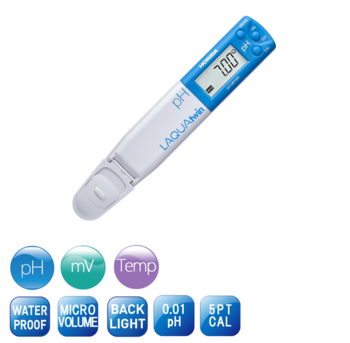
Rice used for sushi must have a pH of less than 4.6. At pH levels below 4.6, most pathogenic bacteria do not grow or produce toxins1. Thus, the rice must be acidified using acetic acid (vinegar) to be classified as non-hazardous. The LAQUAtwin pH pocket meter is used as quality control check to ensure that the rice is adequately acidified, before selling to consumers. This is an easy, quick check method used to abide to the ANZ Standards2 in ensuring that customers are safely consuming sushi.

Method

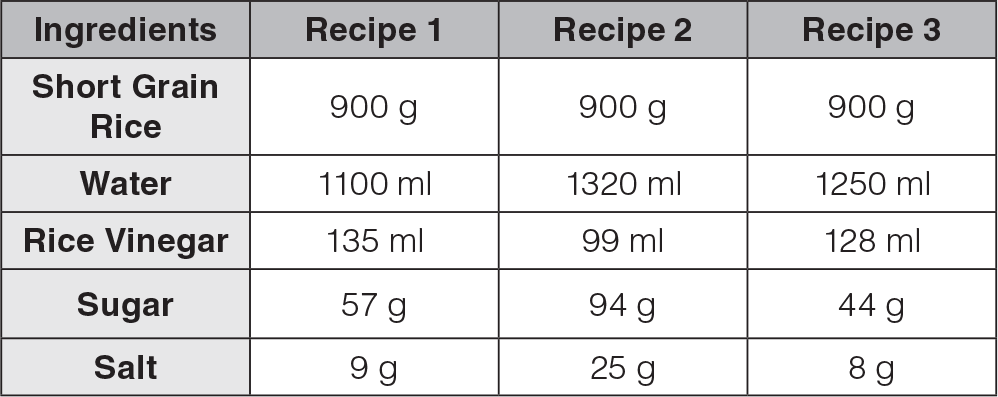
Acetic acid (vinegar) should be mixed into the rice according to the following table: 

nokia xpress jar browser for 240x320

A small sample of the rice mixture is placed on the flat sensor of the LAQUAtwin pH pocket meter and measured. If the measured value is above pH 4.6, add more acetic acid to the rice mixture and stir well. Place new rice sample on the sensor and repeat testing process. After tests, wash the sensor with diluted soap water and pat dry with a paper tissue.

Results and Benefits

The use of accurate pH testing in controlling the quality of sushi rice prevents the growth of pathogenic bacteria and toxins. The LAQUAtwin pH pocket meter is small and compact; convenient to carry around in your pocket and is ideal for on-site testing. Its easy-to-use interface makes the LAQUAtwin pH pocket meter an indispensable tool for food testing.

References and Suggested Readings

1 Hocking, A.D; 2003. Foodborne Microorganisms of Public Health Significance, AIFST, Waterloo

2 Food Safety Guideline for Preparation and Display of Sushi, June 2007, NSW/FA/F1005/0706

The Nokia Xpress Browser for 240x320 devices represents a triumph of software engineering over hardware limitations. By leveraging cloud computing (server-side rendering) before the term was mainstream in mobile contexts, Nokia successfully brought the World Wide Web to the masses. While the rise of affordable Android smartphones eventually rendered the Java ME ecosystem obsolete, the legacy of the Xpress Browser persists in modern "Lite" apps and data-saving modes found in contemporary mobile operating systems. It stands as a testament to the importance of optimization in bridging the digital divide.

This public link is valid for 7 days and shares a thread, including any personal information you added. This link or copies made by others cannot be deleted. If you share with third parties, their policies apply. Can’t copy the link right now. Try again later.

One of the standout features of the Nokia Xpress browser was its ability to compress web pages, reducing data usage and making it easier to browse on slower networks. This was particularly useful for users like my friend, who lived in a rural area with limited internet connectivity.

user wants a long article about the "Nokia Xpress JAR browser for 240x320". This likely refers to the Nokia Xpress Browser, which was available as a Java (JAR) application for feature phones with 240x320 resolution (QVGA). I need to provide a comprehensive article covering history, features, download, installation, usage, and legacy. I will search for relevant information. search results include some potentially useful pages, such as a Wikipedia page (likely archived), a Baidu Baike page, and other websites. I will open these to gather detailed information. have gathered information from various sources. The Wikipedia page and the Baidu Baike entry provide general information. The PDF from legacy.mcsprogram.org seems to be a detailed article about the S40 version. The XtGem.com page might have a download link. The mcsprogram.org PDFs provide additional details. The CITP blog and Gadgets360 article cover privacy concerns. The official Nokia FAQ page provides official information. I will also search for information on 240x320 specific versions, download sources, and installation guides. search results for 240x320 specific downloads are not very fruitful. I will now construct the article. I will structure it as follows: introduction, overview, key features (data compression, proxy servers, cloud-based, etc.), the 240x320 QVGA screen experience, installation and setup guide, compatibility with Nokia devices, legacy and replacement, privacy concerns, and conclusion. I will cite the sources I have gathered. Now I will write the article. Nokia Xpress Browser emerged during a pivotal time in mobile history, when feature phones were the primary gateway to the internet for billions of people. While smartphones were gaining ground, Nokia's feature phones—with their ubiquitous Java (JAR) platform and QVGA (240x320 pixel) screens—remained the most accessible and affordable devices worldwide. The Nokia Xpress Browser was a crucial piece of software designed specifically for these constraints, aiming to deliver a fast, data-efficient, and usable web experience on hardware that struggled with modern, bloated web pages.

The browser was officially phased out and replaced by for Nokia feature phones. Like Xpress, Opera Mini was a proxy browser, and the transition offered users a continued, supported experience.

Nokia’s servers downloaded the webpage, stripped out heavy scripts, optimized the layout for a 240x320 canvas, and compressed images into lightweight formats.

When operational, the Nokia Xpress browser stood out due to several innovative features built directly into its tiny, sub-1MB file footprint:

App metadata

Bookmark flow

It featured a robust download manager capable of pausing and resuming downloads, a lifesaver on unstable 2G networks.

Despite these limitations, the Nokia Xpress browser remained a popular choice among mobile phone users. Its simplicity, speed, and reliability made it an excellent option for casual browsing. Many users, including my friend, used it to stay up-to-date with news, check email, and access basic information on the go.

| Feature Category | Specific Features | Benefit to User | | :--- | :--- | :--- | | | Cloud-Based Data Compression, Server-Side Rendering | Dramatically faster page loads, reduced data costs. | | 🧭 User Interface | Integrated Search Bar, Bookmark Manager, History Log | Easy and intuitive navigation on a small screen. | | 🔧 Functionality | Multiple Browsing Modes, Auto-Fill, Offline Reading | Versatility to match different user needs and situations. | | ⚙️ Compatibility | JAR format for S40 devices, Tailored for 240x320 | Smooth performance and perfect visual fit for the device. |

If you are trying to breathe life back into an old feature phone or are setting up a custom emulation environment, let me know of your Nokia device and which cellular carrier you are trying to use. I can provide the precise network configuration steps or suggest working browser links for your setup. Share public link
Related Products

LAQUAtwin pH-33
LAQUAtwin pH-33

Pocket Water Quality Meters

LAQUAtwin pH-22
LAQUAtwin pH-22

Pocket Water Quality Meters

LAQUAtwin pH-11
LAQUAtwin pH-11

Pocket Water Quality Meters

Water & Liquid Corporate