
Battle Stadium V2 Today
Get to know Epic Pen
BUY EPIC PEN PRO
Epic Pen allows you to draw over any application on Windows and Mac without interruption. User-friendly features including Pen and Highlighter empower you to draw over webpages, maps, live video, stock charts, video games and more.
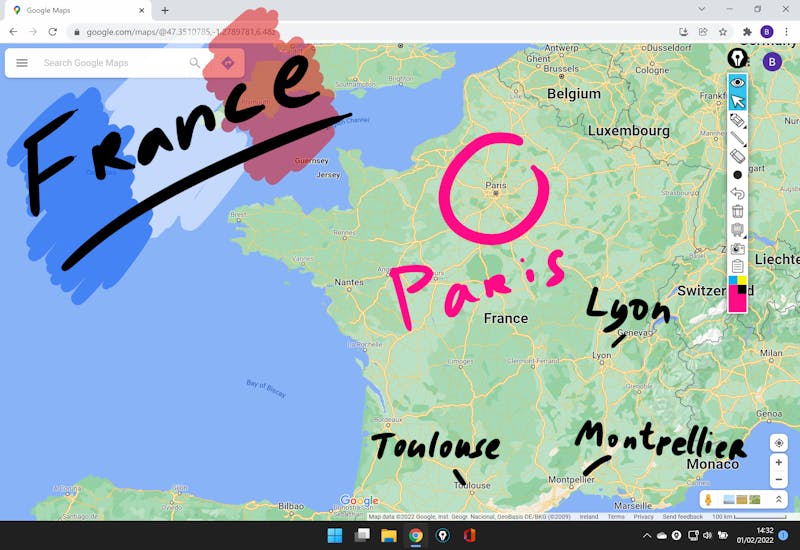
Annotate with clarity using our Pen feature. The highlighter can bring attention to even the smallest of details. Circle capital cities or underline a key sentence. The screen is your canvas.
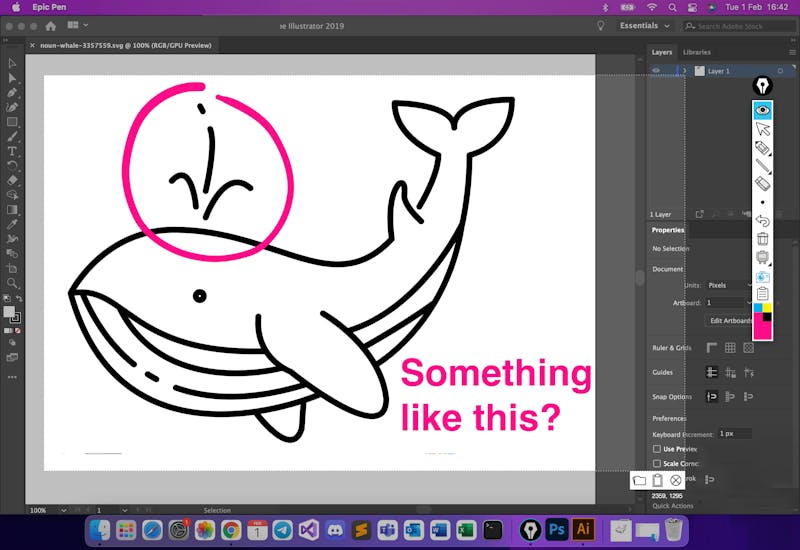
Capture and share your work with our bespoke and easy-to-use screenshot tool. Take a snapshot of any portion of your screen. You can save your screenshots to the folder of your choice or copy them straight to the clipboard.
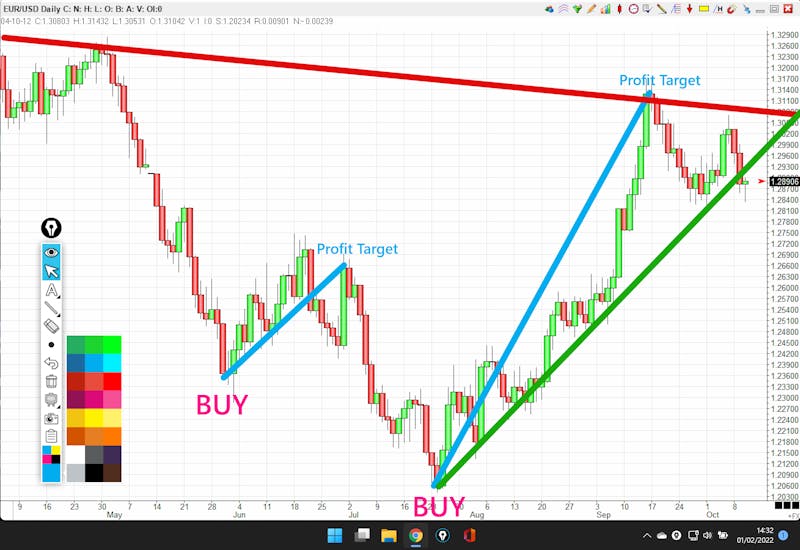
Choose from 16 carefully selected and eye-catching colors to bring life to your annotations.
We love to hear from our users. Let us know if you have any feature suggestions!
In Pokémon Sword and Shield , the Battle Stadium is a feature that allows players to connect to the Internet and battle against Trainers from all over the world in formal competitions. It is the successor to the Battle Spot feature from earlier games. A standard match takes place in a 3D stadium. Before a match, players choose their team and battle format. During the match, they select moves, switch Pokémon, and use items in turn-based combat. To use this feature, a Nintendo Switch Online subscription is required.
Battle Stadium V2: The Evolution of High-Stakes Competitive Pokémon Action
If this is a fighting game or a stadium-style arena, familiarize yourself with these typical inputs:
The most talked-about innovation in is the Adaptive Terrain System. Unlike static maps, the stadium floor literally changes between rounds. In one match, you might be fighting on pristine marble platforms; in the next, a sudden earthquake mechanic breaks the arena into floating islands. Battle Stadium V2
. Everything about the upgrade was sharper, more lethal. The neon grid-lines of the floor pulsed with a deep violet hue, a stark contrast to the flat blues of the original arena. This wasn't just a place to fight; it was a living engine designed to push every combatant to their breaking point.
Success in the Battle Stadium requires a deep understanding of the current metagame. A. Team Building: The Core Components
The new "Director Mode" in replays allows casters to view the match from the perspective of the Synergy Core links, showing exactly when a team’s momentum spikes. Furthermore, the built-in tournament client allows anyone to host a bracket with automated refs. In Pokémon Sword and Shield , the Battle
I can provide tailored strategies to help you break through your current rank. Share public link
Information is king in V2. Characters who can ping enemy locations through walls or deploy smoke screens dictate the pace of the match.
The landscape of anime video games has evolved from localized, franchise-specific fighters into a massive global phenomenon. Amidst this evolution, one historic concept continues to dominate community wishlists: . Originally conceptualized as the direct successor to the cult-classic 2006 crossover title Battle Stadium D.O.N , the idea of a modernized, expanded sequel represents the ultimate dream for Shonen Jump enthusiasts. Before a match, players choose their team and battle format
The most direct predecessors to a "Battle Stadium V2" are the fan-created projects, most notably built on the engine. This engine allows users to create their own 2D fighting games without programming knowledge, leading to a vibrant modding community. The most significant example in this context is a MUGEN-based game that directly expanded on the concept of Battle Stadium D.O.N .
Because of the Terrain Deformation mechanic, initiating a fight in the first 30 seconds is usually a mistake. Top players now use the "Two-Phase Engage." Phase one is scouting and destruction —players use low-cooldown abilities to wreck the central arena floor, creating a jagged landscape. Phase two is the trap . They bait the enemy team into the rough terrain, where movement is slowed by 15%, then unleash AoE (Area of Effect) abilities.