Stay informed with point3D

Join the point3D community to receive periodical bulletins, industry articles, and product release updates.
Join the point3D community to receive periodical bulletins, industry articles, and product release updates.
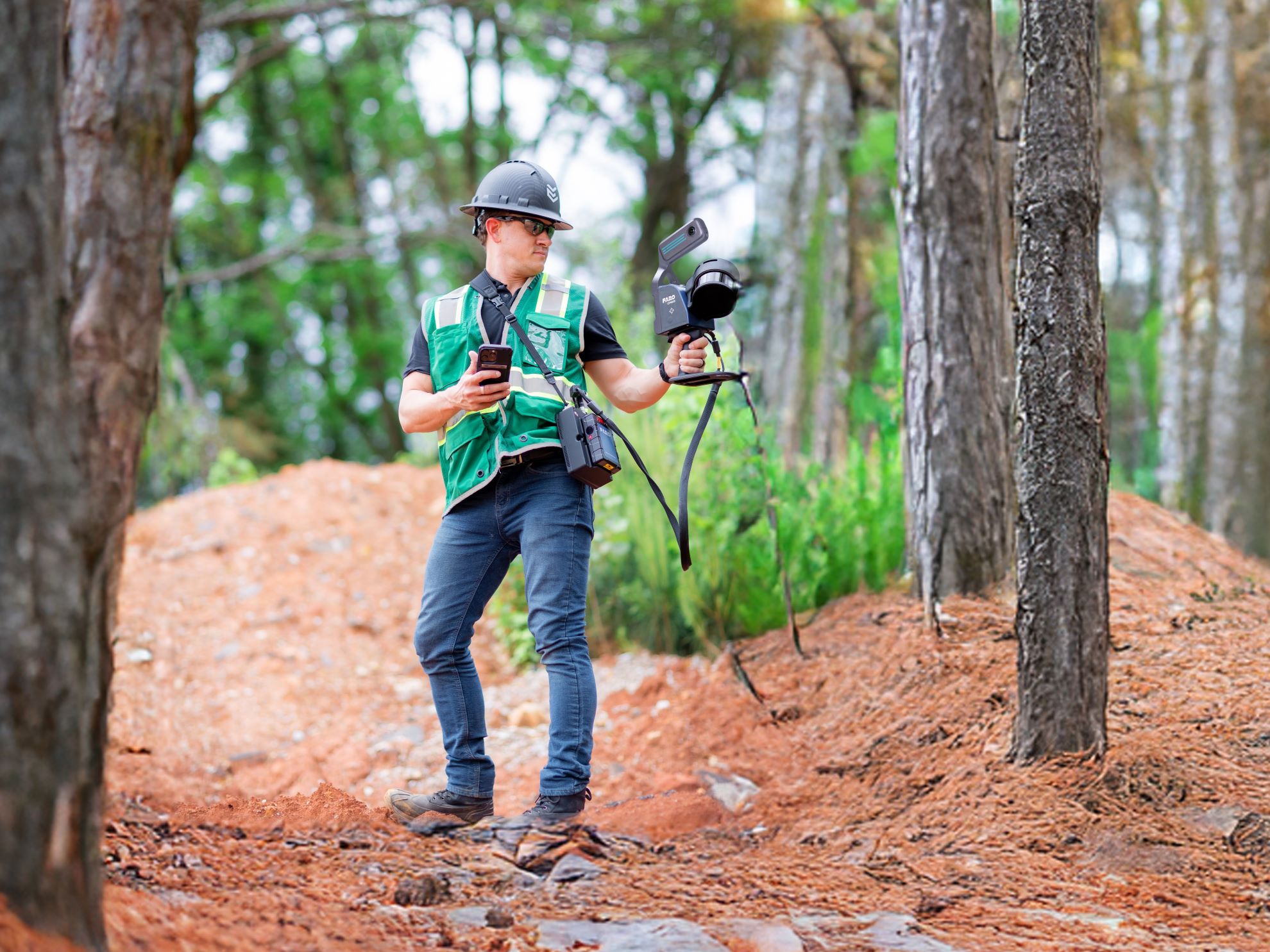
FARO Orbis is the all-in-one mobile laser scanner with integrated static scanning capabilities, powered by FARO FLASH technology.
As Indian cities continue to densify, staying ahead of these structural policy shifts is the definitive factor separating highly profitable real estate developments from stagnant projects.
However, FSI regulations are not uniform across India. They vary drastically between cities and even between different zones within the same city:
Websites offering "cracked" access are rarely maintained by legitimate developers. They are often controlled by cybercriminals who embed malicious code. indian fsi blog 5 cracked
Have you encountered a fake "FSI Blog 5" crack website? Report it to the Indian Computer Emergency Response Team (CERT-In) at incident@cert-in.org.in.
We all know UPI for tea-stall payments, but the "cracked" secret is its expansion into . With the launch of UPI on Credit Lines , the FSI sector is bridging the gap between traditional banking and instant consumer credit. This move is expected to significantly boost "Buy Now, Pay Later" (BNPL) adoption across rural and urban India alike. 2. AI-Driven Personalization: The New Standard As Indian cities continue to densify, staying ahead
"Cracking" the fifth major FSI blog updates yields several operational strategies for real estate professionals looking to maximize ROI:
When you search for "indian fsi blog 5 cracked," you are not searching for a single file. You are searching for a vector . Here is what typically happens behind the scenes on the websites that rank for this keyword (often bloated blogs hosted on free platforms like Blogger or WordPress): They are often controlled by cybercriminals who embed
The service offers various ranks, from at the Union level to the Principal Chief Conservator of Forests (PCCF) , who heads a state's entire forest department. Despite the challenges of remote postings, candidates are motivated by the power to impact large-scale change in environmental infrastructure and conservation.
In the context of adult websites, the term "cracked" usually implies one of two scenarios:
Multi-level basements require advanced diaphragm walls, continuous piling, and sophisticated dewatering techniques.
Ransomware attacks are becoming more targeted, focusing on shutting down critical infrastructure rather than just encrypting user files.